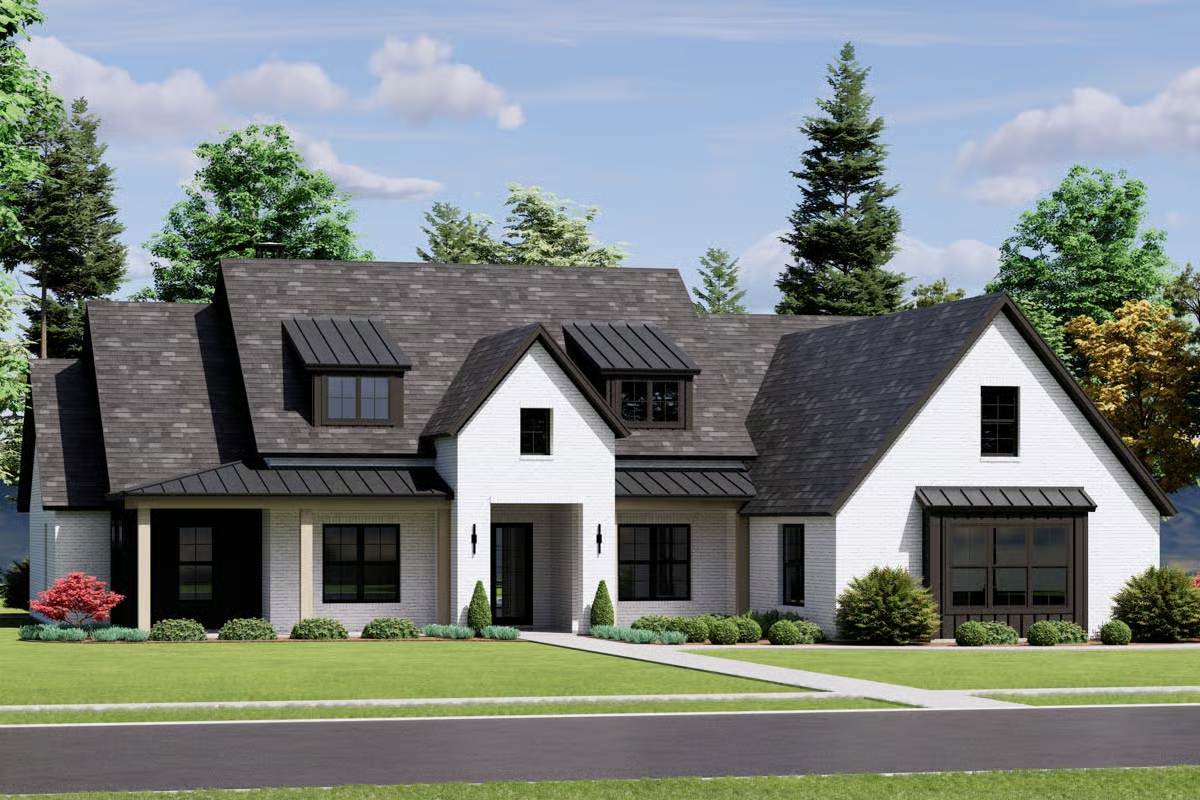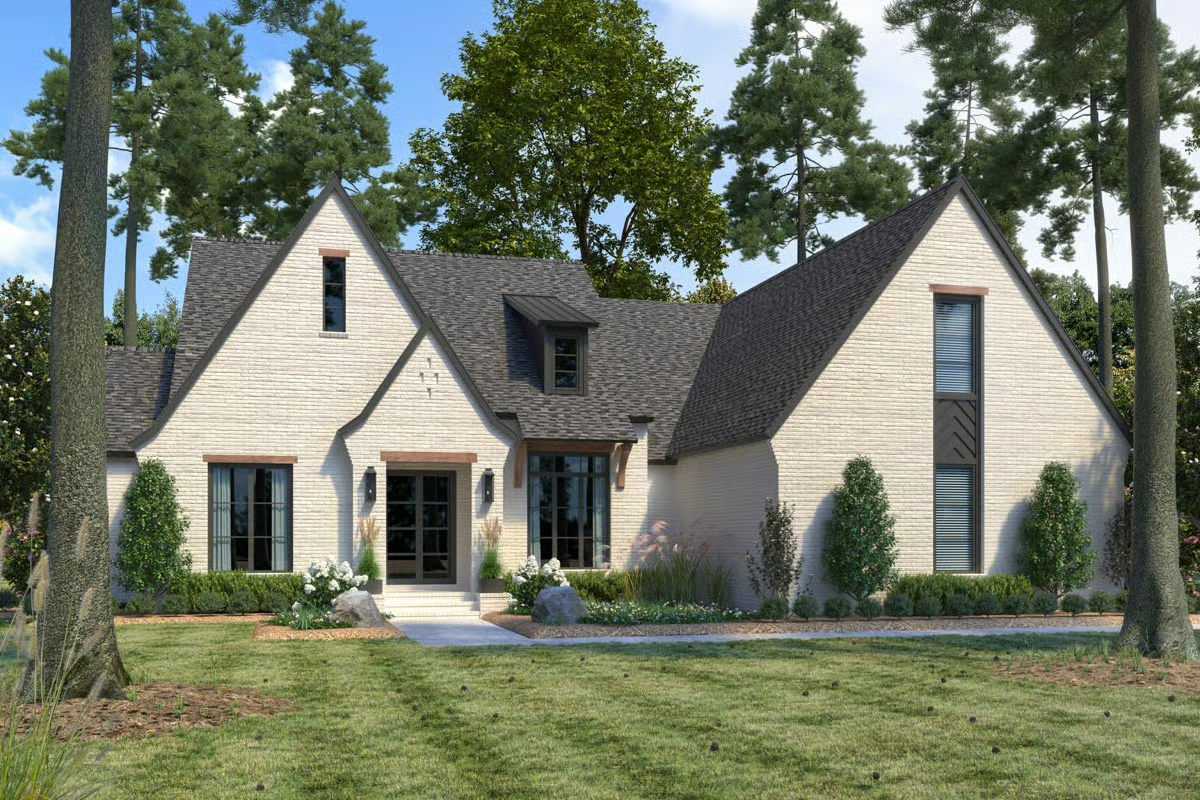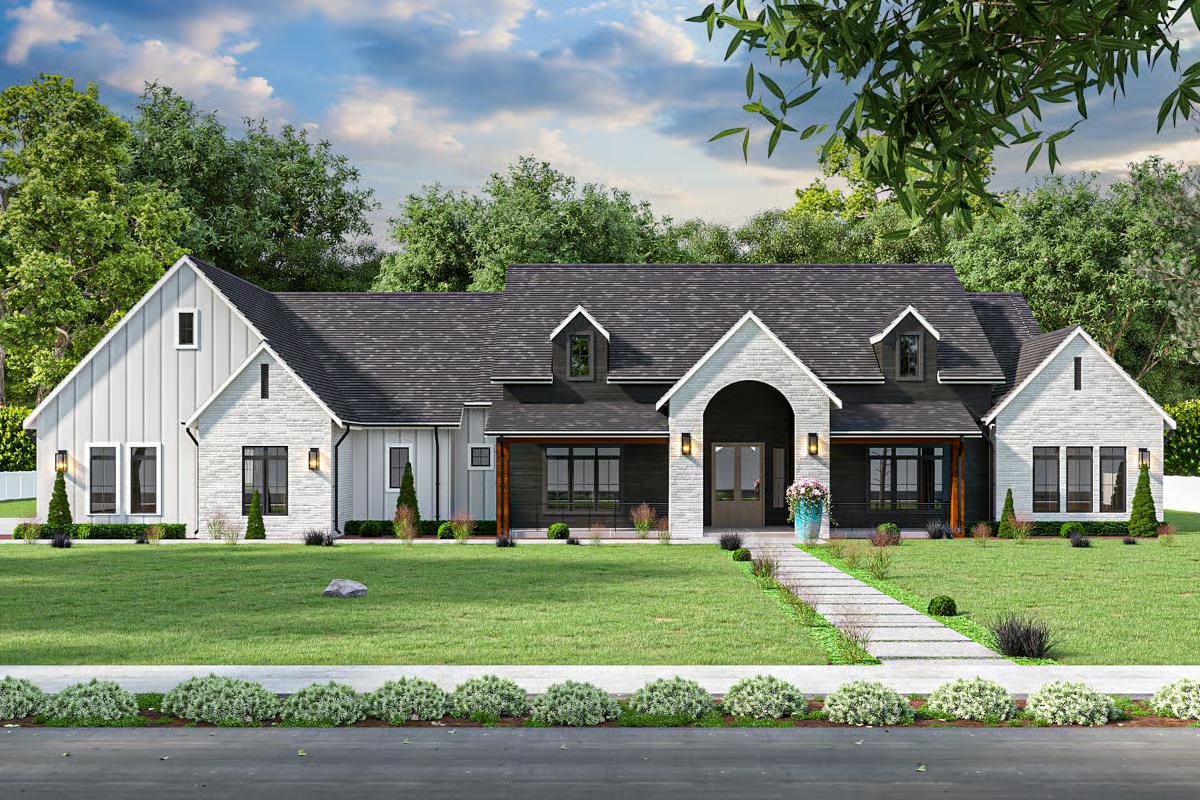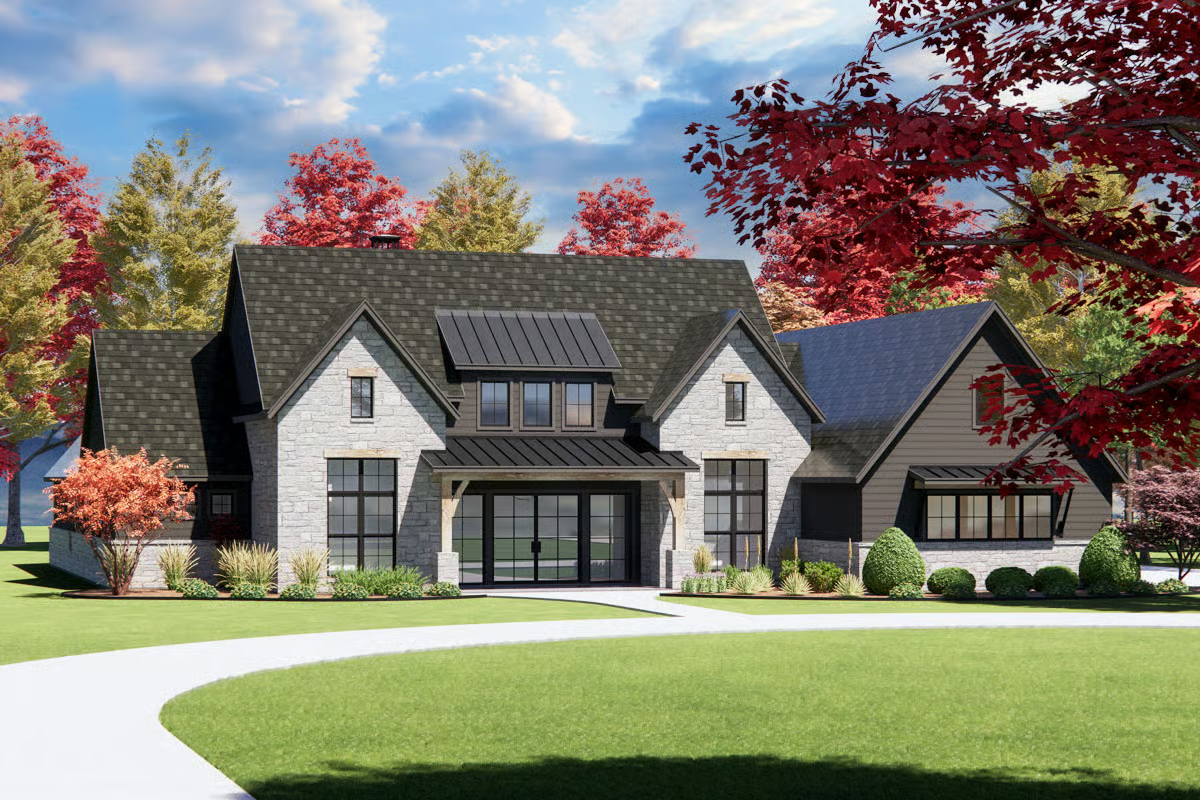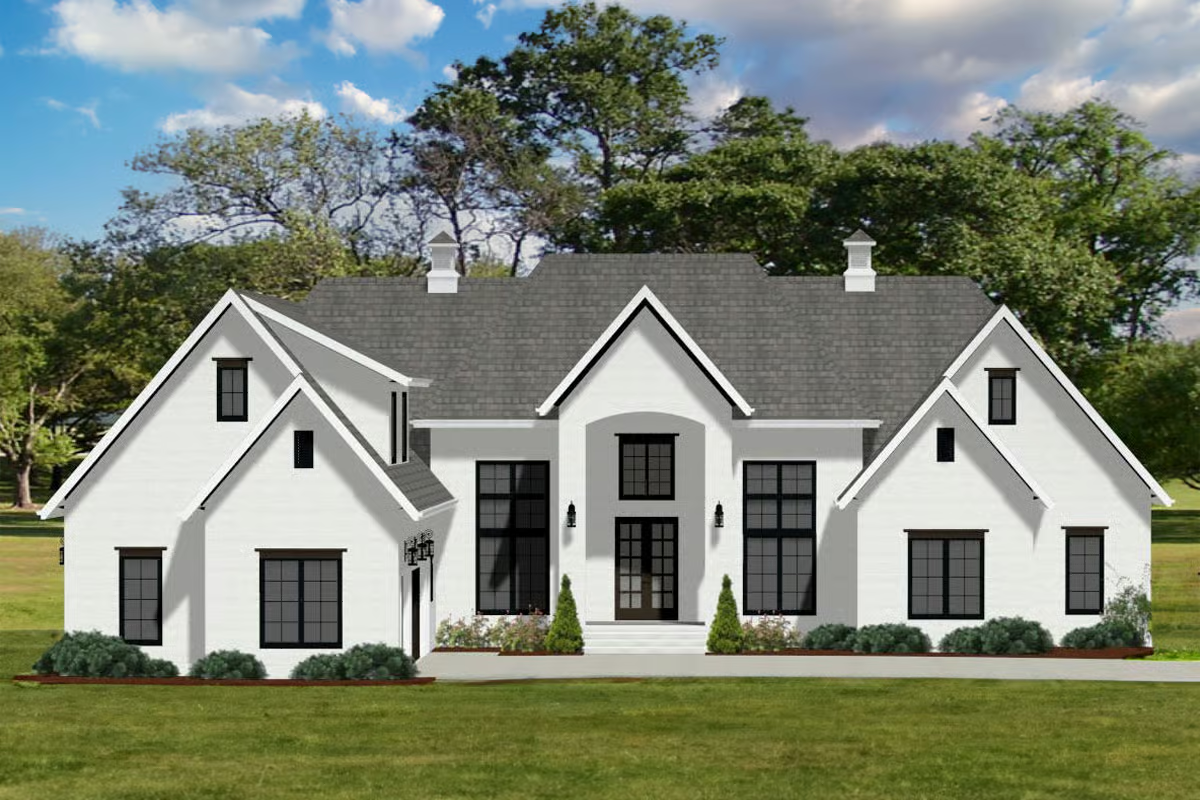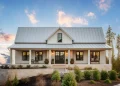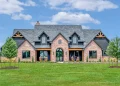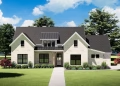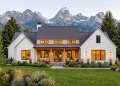

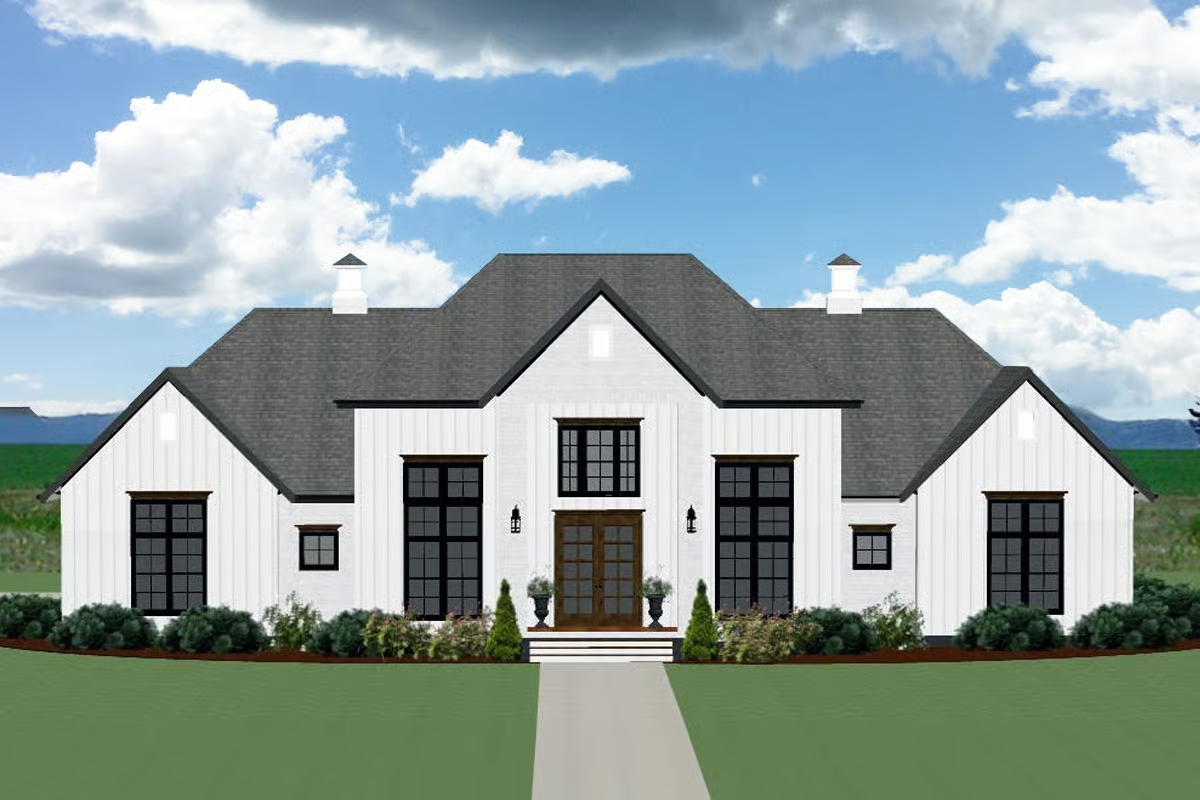
This thoughtfully arranged Transitional style home plan provides around 3,607 square feet of flexible and inviting living space. It includes 4 bedrooms, 3 full bathrooms, 1 half bath, a spacious attached 3-car garage, and a versatile bonus room located above garage space. Designed to balance everyday comfort with room for entertainment and growth, this layout blends open shared areas with private retreats and functional zones for work, play, or quiet time.
A Timeless Exterior with Transitional Elegance
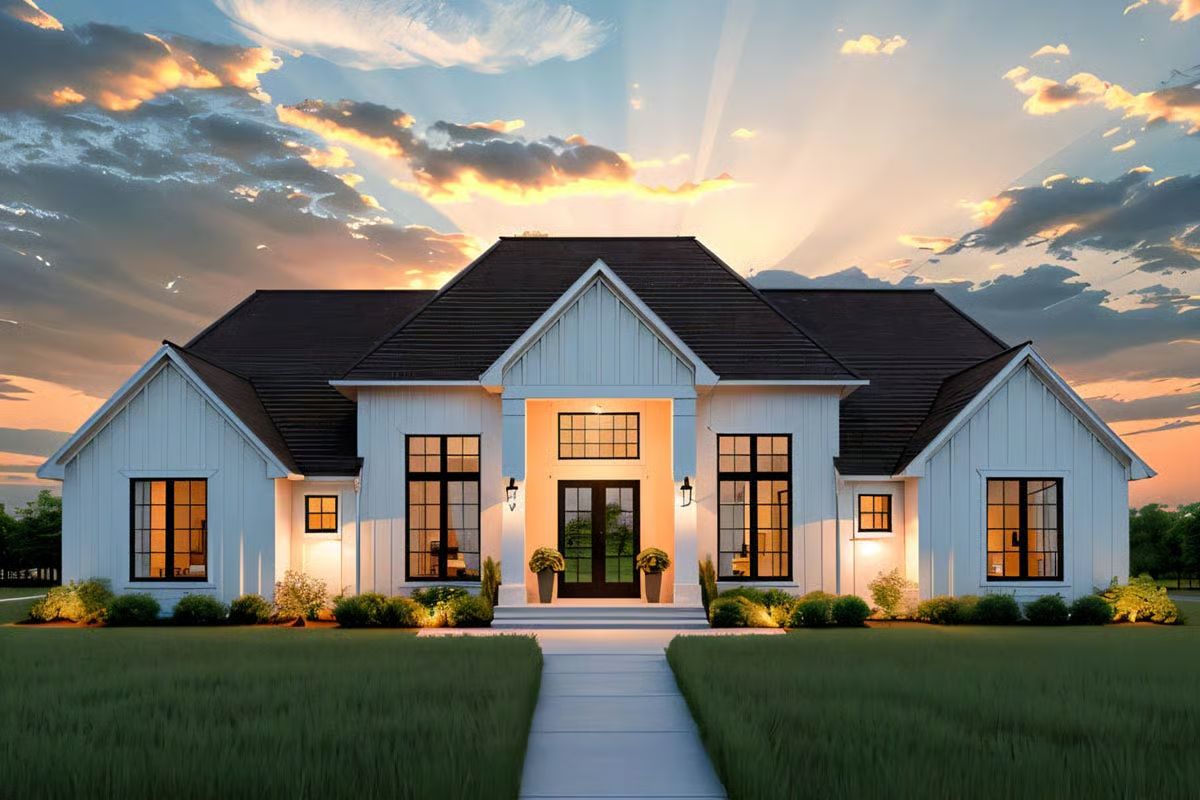
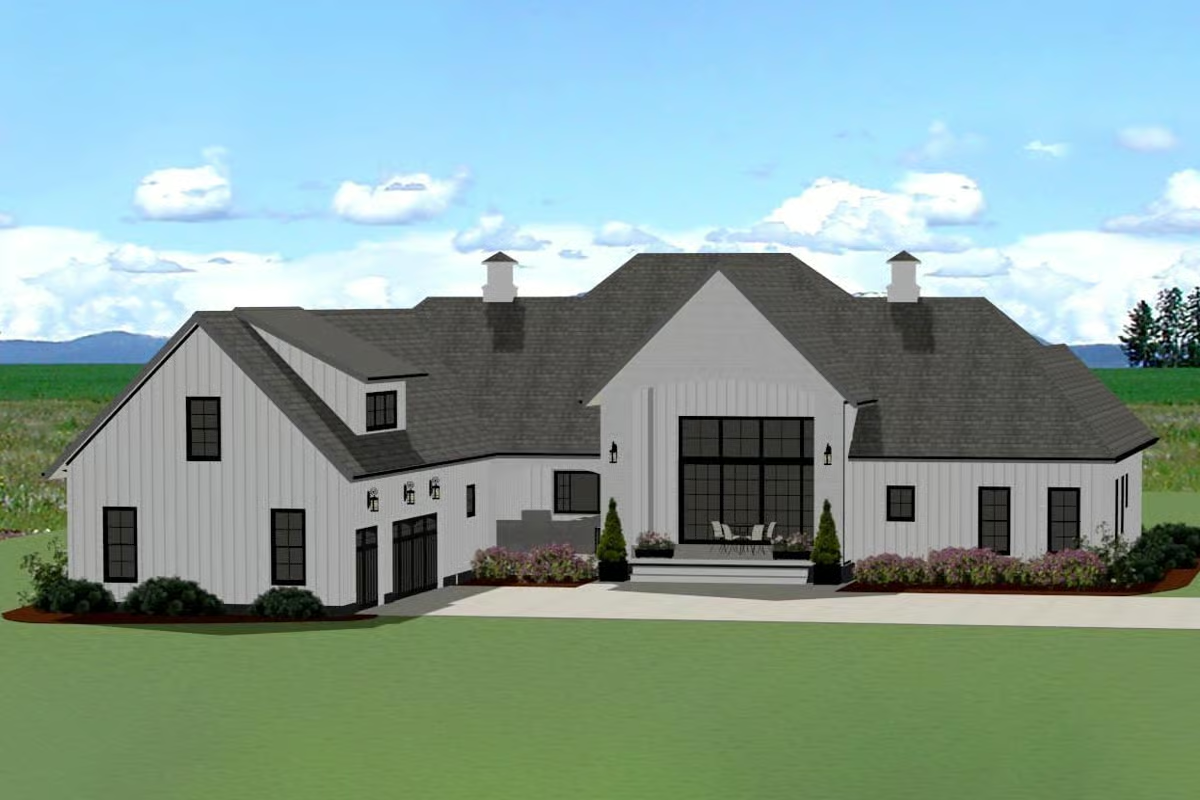
The exterior of this home features transitional architecture that harmonizes traditional feeling with contemporary simplicity. Clean rooflines and composed window arrangements produce a welcoming facade that feels balanced and refined. The attached garage is integrated tastefully, preserving a cohesive and attractive street presence, while covered porch areas provide outdoor spaces that enhance curb appeal and offer restful spots to enjoy fresh air.
Open Shared Living Spaces Anchored by a Two-Story Great Room
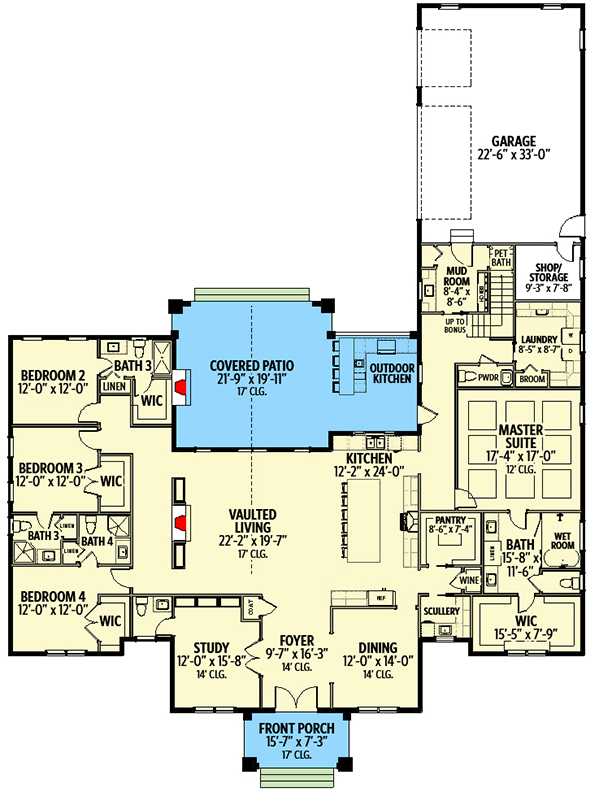
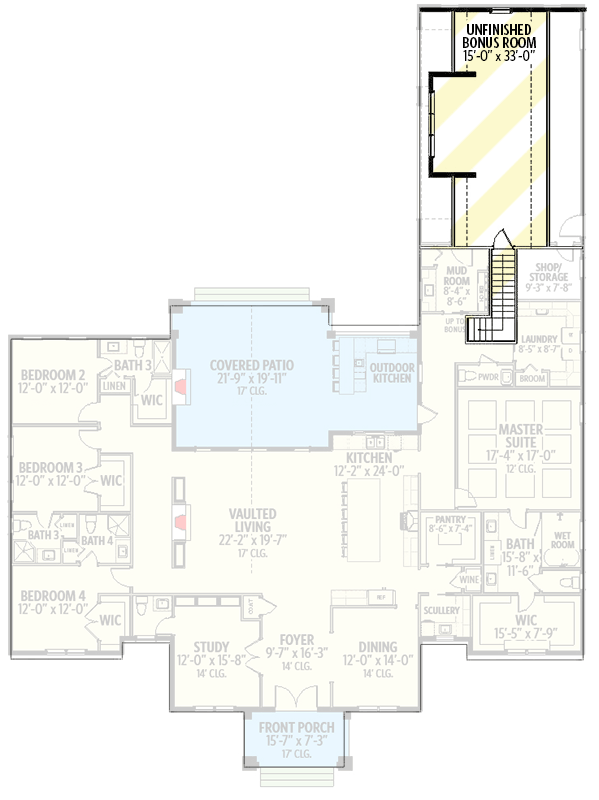
Upon entering, you arrive in an impressive two-story great room that sets the tone for spacious yet intimate living. This central gathering space brings abundant natural light and creates an open atmosphere that flows into the adjoining dining area and kitchen. The layout encourages easy interaction among family members and guests, making it ideal for both daily routines and larger gatherings.
A thoughtfully placed kitchen island serves as a focal point for meal preparation and casual seating. Its generous workspace and visual connection to the great room help integrate social and functional living zones seamlessly.
A Bonus Room That Adds Flexibility and Value
Above the garage, a large bonus room provides valuable flexible space that can adapt to your lifestyle. Whether used as a media room, home gym, hobby space, additional bedroom, or home office, this area adds versatility to the home and can evolve as your needs change over time. Its separation from core living zones helps preserve both function and quiet when needed.
Private Bedroom Retreats and Personal Comfort
The primary suite is positioned as a peaceful retreat with its own full bathroom and dedicated closet space. Its layout supports personal comfort and offers privacy from busier shared zones. Secondary bedrooms are arranged to ensure restful separation, each with easy access to full bathrooms that support both family members and guests. The thoughtful bedroom planning enhances everyday life by minimizing traffic conflicts and creating clear circulation paths.
Utility and Support Spaces That Make Daily Life Easier
A mudroom adjacent to the garage entry helps keep clutter contained and supports smooth daily transitions from outdoor to indoor living. A dedicated laundry room positioned for convenience enhances daily efficiency, while strategically placed closets and storage zones support organization throughout the home without disrupting refined living areas.
Outdoor Living and Comfortable Porch Areas
Covered porch spaces at the front and rear of the home extend your living area outdoors, creating shaded spaces for dining, reading, or welcoming guests. These exterior rooms feel like natural extensions of the interior, encouraging households to enjoy fresh air and relaxing views without sacrificing comfort. The outdoor areas also support social gatherings and provide layered space for everyday enjoyment.
A Home That Supports a Modern, Connected Lifestyle
This Transitional home plan is ideal for families who want a blend of open social spaces, adaptable bonus areas, and private bedrooms that support individual comfort. The combination of a two-story great room, flexible bonus space, and thoughtful circulation makes the home feel open yet grounded — perfect for contemporary lifestyle needs and both casual and formal entertaining.
Planning and Construction Considerations
When planning construction in the United States, homes of this size and organization typically fall into a range of building costs influenced by regional labor markets, material choices, site preparation, and finish quality. Establishing your preferred finish level early, coordinating with builders, and selecting efficient materials can help align construction costs with your budget goals. Premium exterior or interior features and custom systems may drive the budget higher, while practical selections and competitive local labor can help manage overall cost expectations.