

A Beautiful Home Design Worth Exploring
This is a single-story New American home that delivers 4,683 square feet of heated living space across a thoughtfully arranged layout. With five bedrooms, five and a half bathrooms, and a three-car garage, this design sits firmly in the category of homes that are built to last and built to impress. What makes it stand out is not just its size but the discipline in how that size is used. Every square foot is accounted for. There is no wasted corridor, no awkward transition between spaces. This is a home designed by someone who understood that one-story living, when done right, outperforms multi-story homes in both daily comfort and long-term functionality. The New American architectural style it follows blends the warmth of traditional design with the clean, purposeful lines of contemporary planning, and this plan executes that balance well.
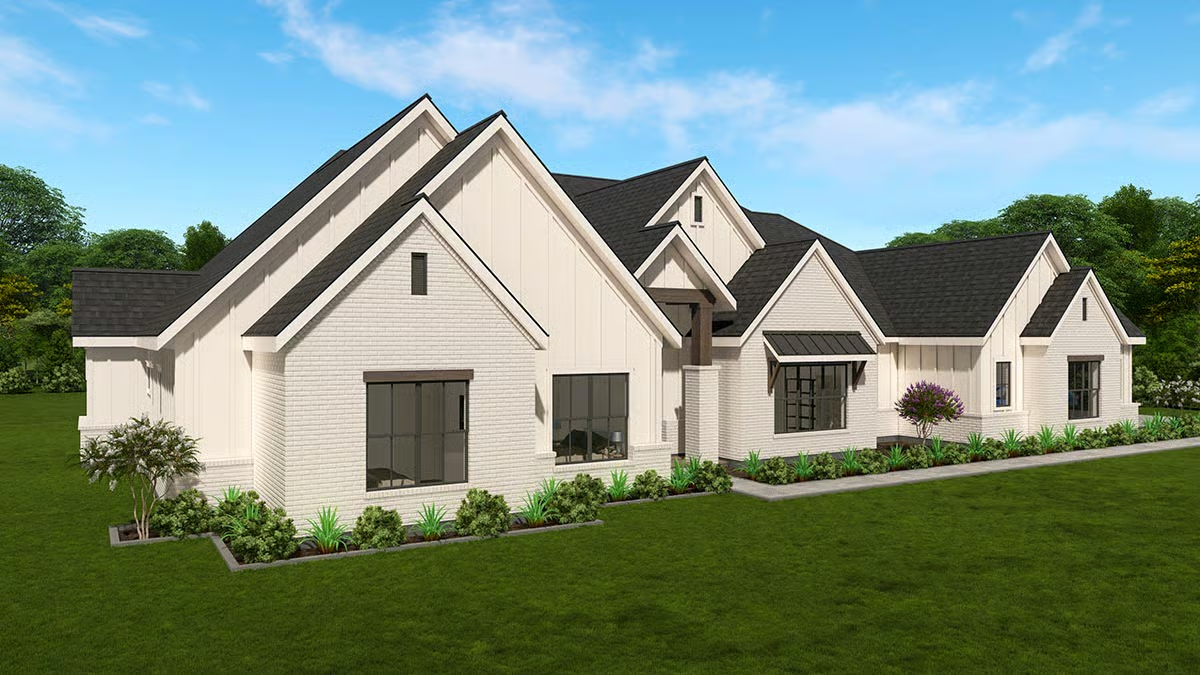
Exterior Design That Makes a Strong First Impression
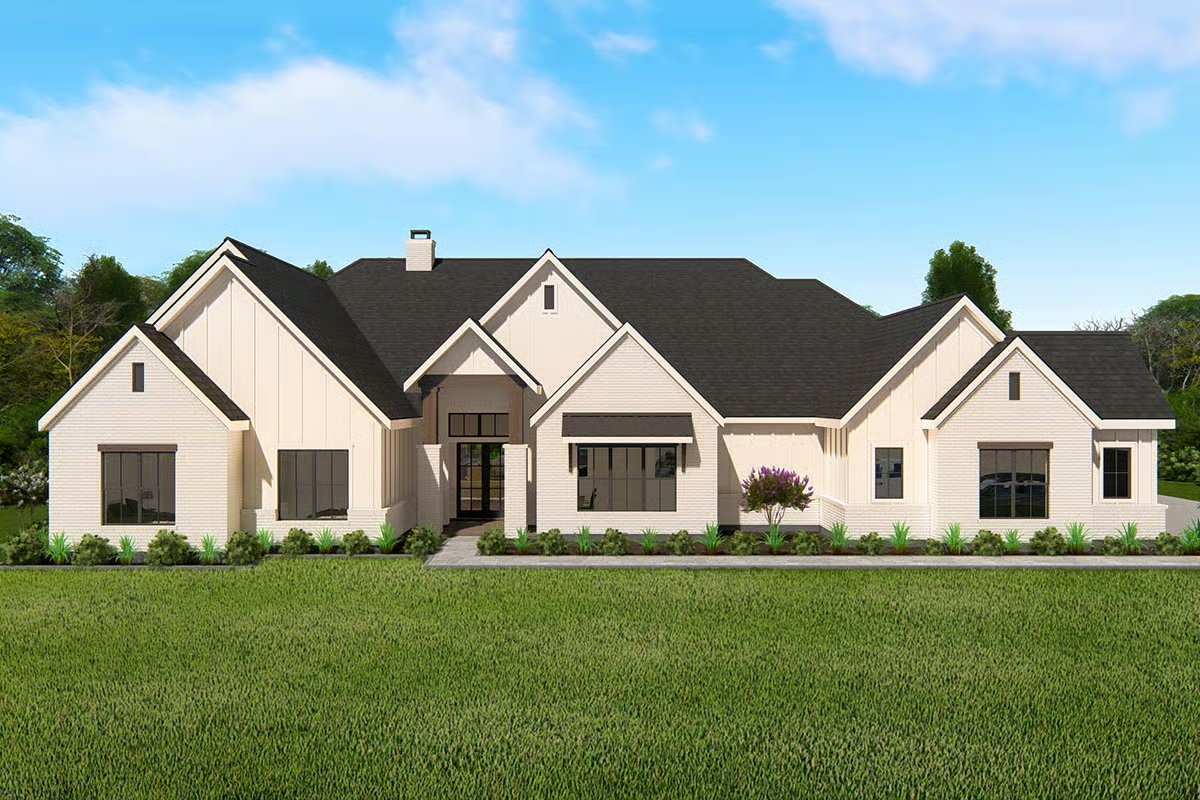
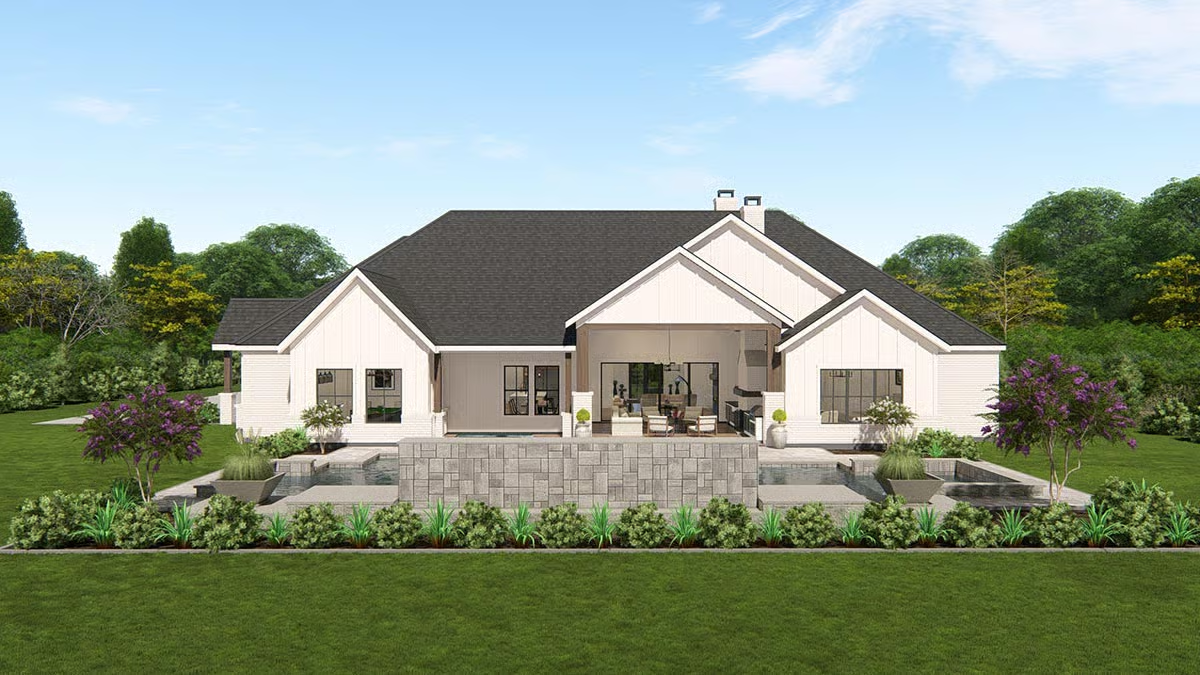
The facade of this home carries the kind of presence that reads well from the street without being theatrical about it. The New American exterior leans on a combination of traditional materials treated with a refined modern sensibility, producing a home that feels rooted in its environment rather than imposed on it. The roofline is composed and well-proportioned, avoiding the overly complex pitch arrangements that tend to age poorly. The front elevation gives prominence to the home office entry, where French doors face the front yard and announce the character of the home before you step inside. The three-car garage is integrated into the overall massing without dominating the streetscape, which is a design choice many single-story homes with large garages fail to achieve. The exterior walls, trim details, and window placement all work together to give this house a finished, intentional look that holds up from every angle.
Outdoor Living Spaces Where Comfort Meets Open Air
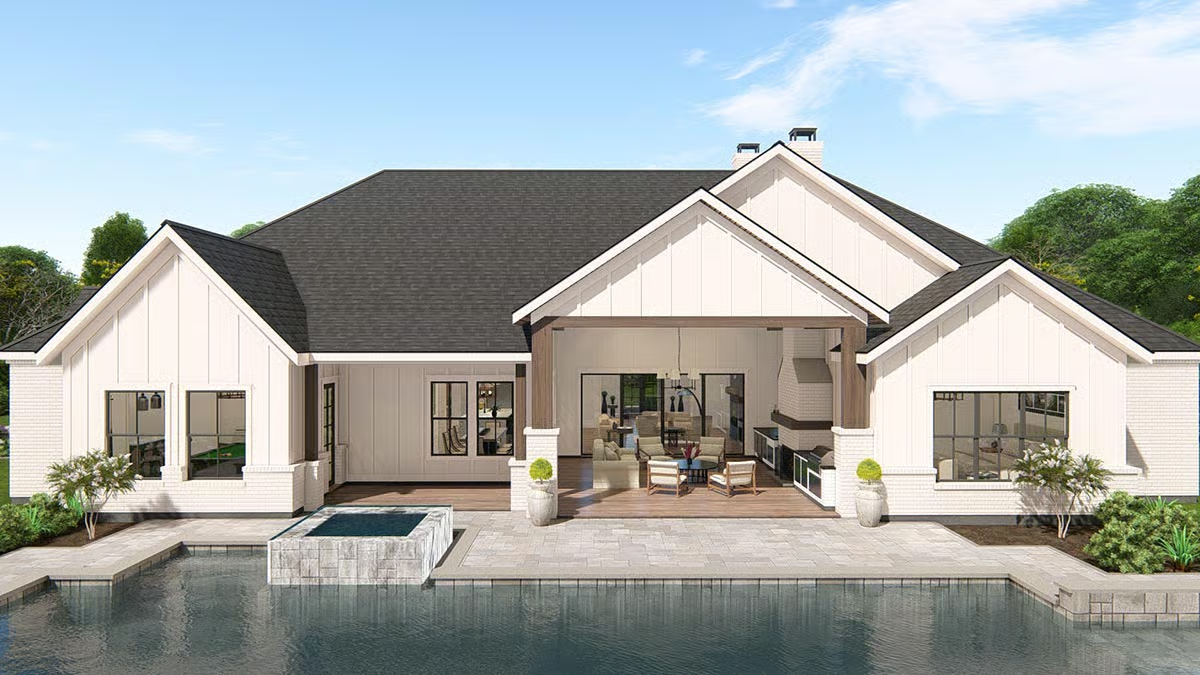
One of the strongest arguments for this plan is what happens when the central living areas open outward. The design explicitly extends the interior footprint into a generous outdoor living area, and the result is a home that effectively doubles its usable social space when the weather allows. This outdoor zone connects directly to the main living and dining areas, making it a natural extension of everyday life rather than an afterthought patio off a back door. For entertaining, this is the feature that separates a good plan from a great one. A covered outdoor space of this scale works equally well for a quiet evening meal and a large gathering. The relationship between the indoor kitchen, the dining area, and the rear outdoor zone is tight and deliberate, with sightlines and access points that make hosting feel effortless. This is outdoor living integrated at the design level, not added on during construction.
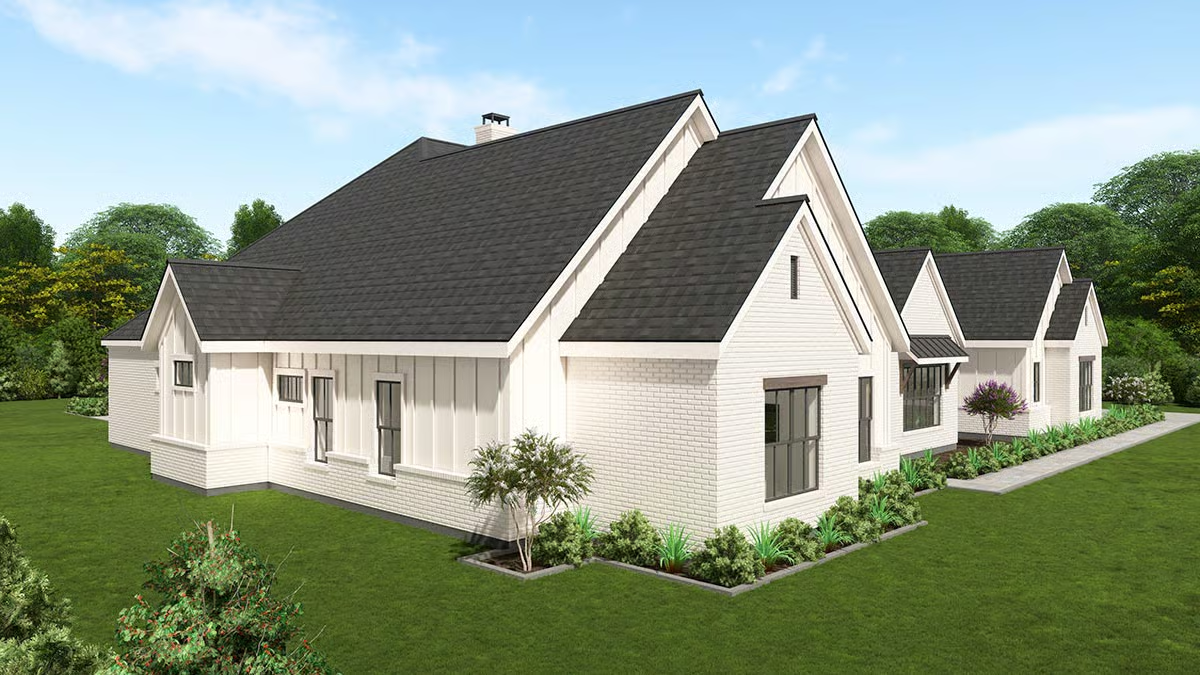
Bedrooms and Bathrooms Designed for Rest and Privacy
The five bedrooms in this plan are arranged along the left side of the home, a decision that separates the private wing cleanly from the social core of the house. The primary bedroom is positioned at the rear of that wing, the furthest point from the entry and the garage, which is exactly where a master suite belongs. It connects to a full bathroom with two walk-in closets, a two-person shower, and direct access to the laundry room. That laundry connection to the primary suite is a practical detail that most plans overlook, and its inclusion here reflects a mature understanding of how families actually use their homes. The additional bedrooms share access to their own bathrooms, and with five and a half baths serving five bedrooms, there is no competition for facilities at any time of day. The half bath serves the common zones and is positioned near the mudroom and foyer for guest access without drawing traffic through the private wing.
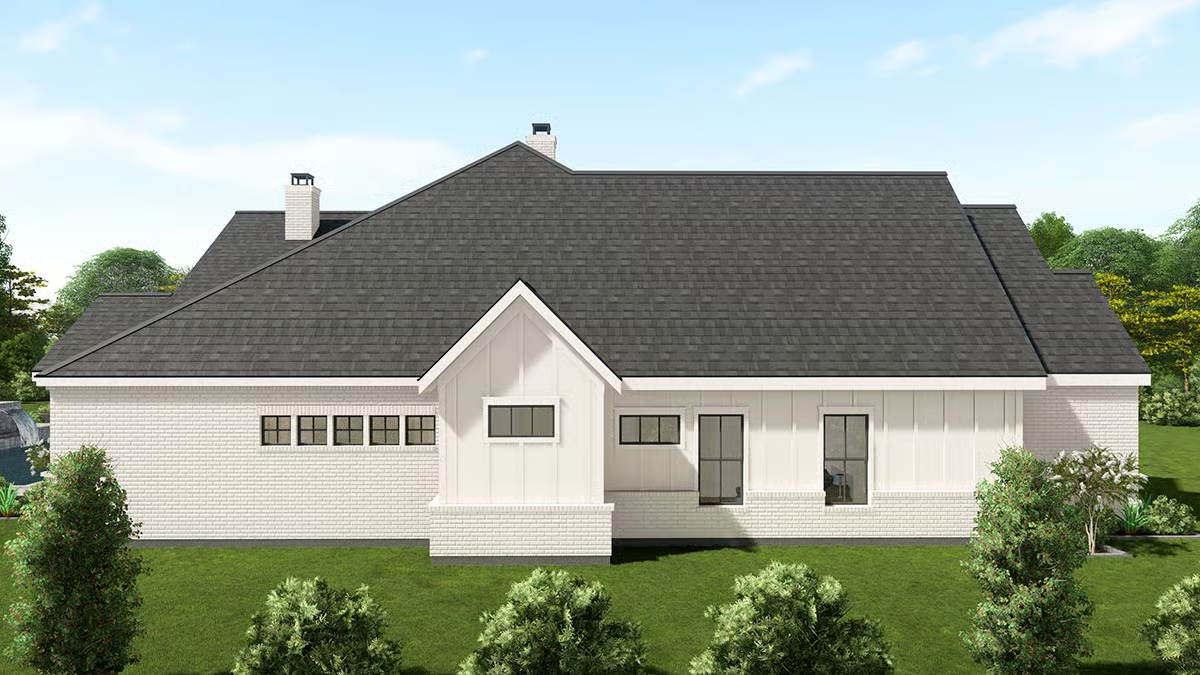
A Closer Look at the 2D Floor Plan
The floor plan of Plan 25427TF is organized around a central open zone that holds the living, dining, and kitchen areas together as a single continuous space. The gourmet kitchen anchors this zone with a large island, a walk-in pantry, and substantial cold storage, all positioned to face the dining area and the outdoor living zone beyond. To the left, the bedroom wing runs the full depth of the home with the primary suite at the rear. To the right and behind the garage, the plan carves out a separate zone for the guest suite and game room. The home office sits near the front entry behind French doors, accessible without entering the main living areas. The mudroom sits between the foyer and the garage entrance, serving as a practical buffer zone for daily traffic. The overall footprint is wide rather than deep, which keeps natural light distribution even across the plan and avoids the dark interior corridors that plague narrow, deep floor plans.

The Guest Suite and Game Room Behind the Garage
Positioned behind the three-car garage, this portion of the plan functions as a semi-independent zone within the home. The guest suite provides private accommodation that is physically separated from the main bedroom wing, which is the correct way to handle guest quarters in a house of this scale. Visitors have their own space and their own sense of arrival without intersecting with the daily rhythms of the primary household. Alongside the guest suite sits a game room with a built-in bar, a space that serves multiple functions across the life of the home. Today it is an entertainment room. Tomorrow it can be a media room, a teenage lounge, a home gym, or a second home office. The built-in bar adds a layer of permanence and design intention that elevates the space from a generic flex room to something with real character. The placement of this entire zone behind the garage creates a natural acoustic and visual separation from the rest of the house, which is exactly what both the guests and the primary residents benefit from.
Smart Design Features That Make This Home Stand Out
Several decisions in this plan deserve attention from a design standpoint. The single-story format across 4,683 square feet means that every room, including the primary suite, the guest quarters, and the home office, is on one level. That has immediate implications for accessibility, maintenance, and livability over time. The connection between the garage and the kitchen is direct and intentional, a small detail that matters enormously when carrying groceries or returning from an early morning. The home office behind French doors is a considered response to the modern household, offering a workspace with natural light and front-yard views while maintaining a clear separation from the social core of the home. The mudroom and powder bath positioned between the foyer and the garage create a genuine transition zone that keeps the rest of the home insulated from daily traffic and outdoor elements. Taken together, these decisions reflect a plan that was not just drawn but genuinely thought through.
What It Costs to Rent or Build This Home in the USA and Canada
For a single-family home of this size, scale, and specification, monthly rental rates in the United States typically fall between $4,500 and $8,500 in mid-range markets such as Texas, Georgia, and the Carolinas. In high-demand coastal markets including California, New York, and Massachusetts, a comparable property commands between $9,000 and $15,000 per month depending on location and finishes. Building this home from scratch in the USA carries a construction cost of approximately $195 to $280 per square foot at current national rates, placing the total build budget, excluding land, between roughly $912,000 and $1,311,000. Luxury finishes and high-cost states like California or Hawaii push that figure toward $1.5 million and above. In Canada, construction costs for a custom home of this quality range from $250 to $400 per square foot in cities like Calgary and Ottawa, and from $400 to $550 per square foot in Toronto and Vancouver. That translates to a Canadian build budget of approximately CAD $1,170,000 to CAD $2,575,000 before land acquisition, permits, and site preparation. Both markets reflect ongoing labor shortages and elevated material costs that have kept construction pricing high through 2025 and into 2026.


